
Vi er overbevist om at bærekraftige forretningsmodeller og å demonstrere positiv påvirkning på samfunn og miljø er vesentlige for selskapers fremtidige suksess
Vi holder oss oppdatert på sentrale bærekraftsdrivere og på regulatoriske endringer, og analyserer hvordan vi tror dette vil påvirke næringslivet generelt og våre kunder spesielt
Vår ambisjon er å vise vei mot en mer bærekraftig velstand basert på økonomiske, sosiale og miljømessige markedsmuligheter forankret i FNs bærekraftsmål
Vi bistår bedrifter med å integrere bærekraft i forretningsstrategien og å omsette strategien til konkrete tiltak og målbare resultater
Belief seeks to orchestrate an ecosystem of companies, technologies, people and capital to power charge the value we create and the impact we make, and to move from a linear to an exponential trajectory towards a sustainable future within planetary and human boundaries.
We actively pursue diversity, encourage openness and expect our people and partners to be generous because we believe this is what creates the greatest value and prosperity for all.
Vi jobber aktivt for inkludering og åpenhet, og forventer at våre mennesker og våre partnere er åpne og generøse, fordi vi tror at deling og samarbeid er en forutsetning for å skape mest mulig velstand for alle.
Venture

Insights

Management
consulting


Siste nyheter
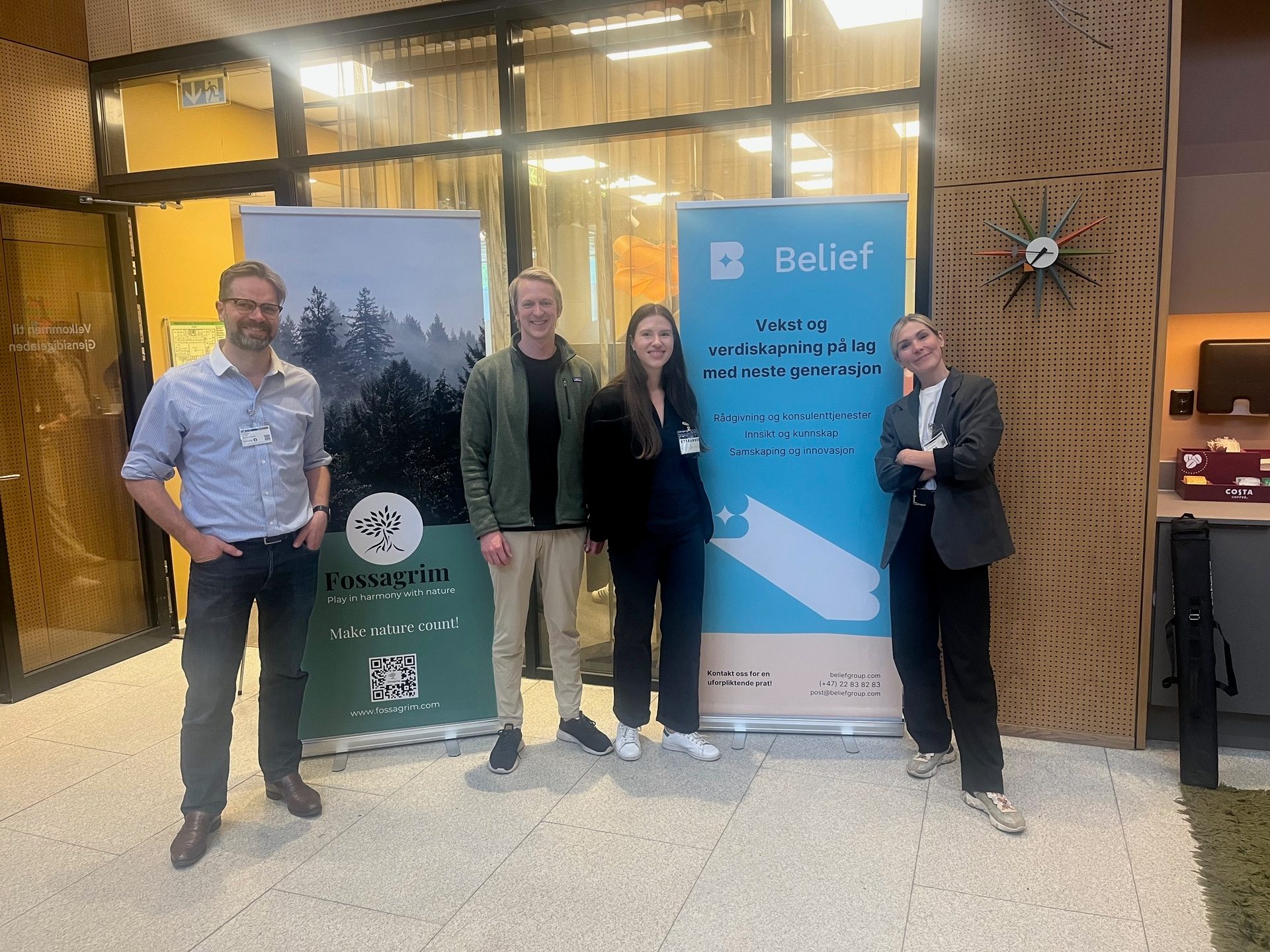
Naturrisiko i fokus
Fossagrim, Belief, KPMG og Gjensidige har gått sammen om seminarserien Make Nature Count: Vi ser i økende grad at naturhensyn og naturrisko prates om i klima- og miljøsammenheng, et tema som virkelig fortjener en plass på agendaen!
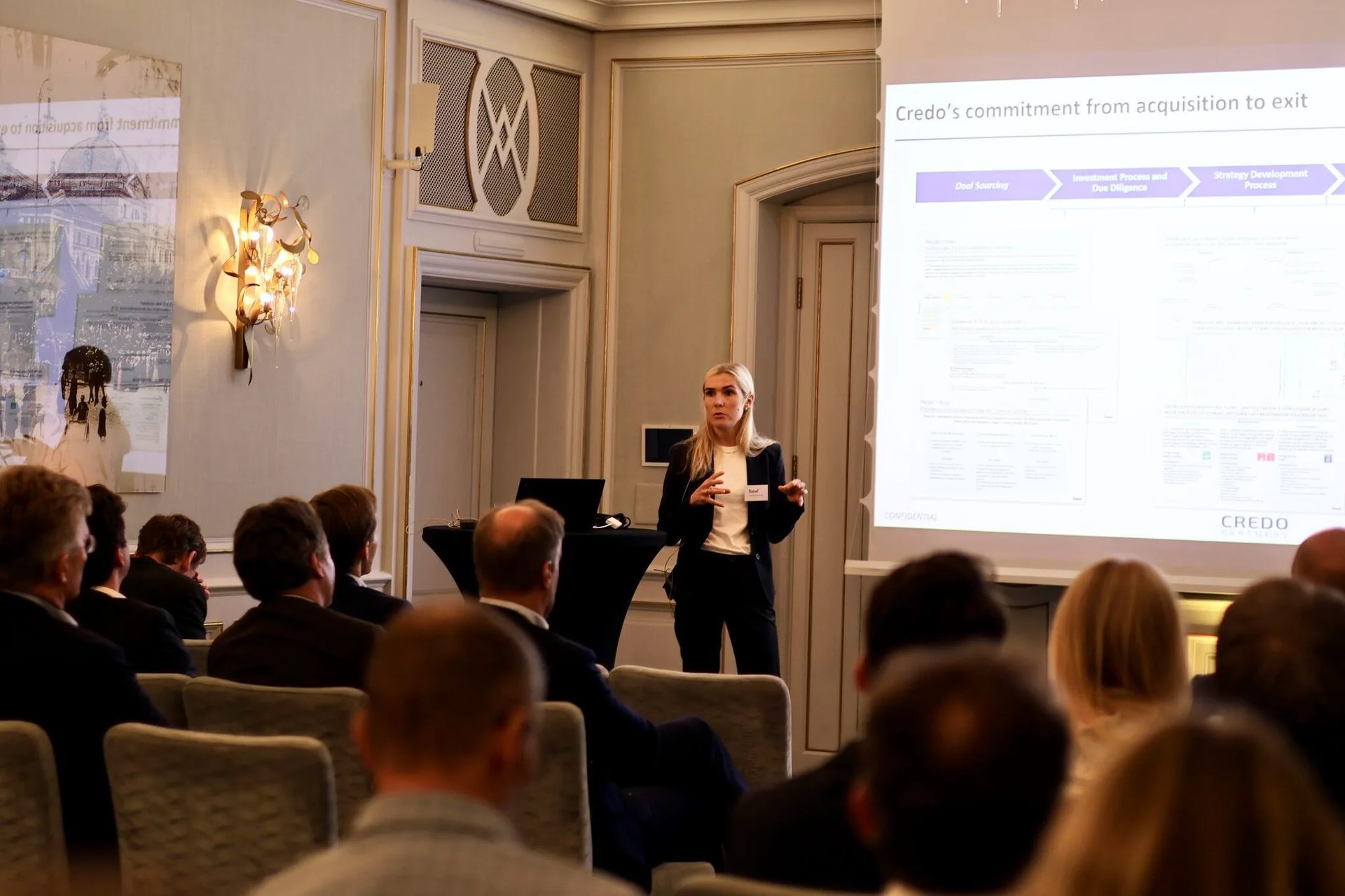
Langsiktig samarbeid for bærekraftig vekst: Credo
Siden 2020 har Belief samarbeidet tett med investeringsselskapet Credo Partners for å integrere bærekraft som en sentral del av både investeringsprosess og utvikling av porteføljeselskaper. Sammen har vi etablert en strukturert og målrettet tilnærming som gjør ESG til en naturlig del av verdiskapningen – fra due diligence til exit.
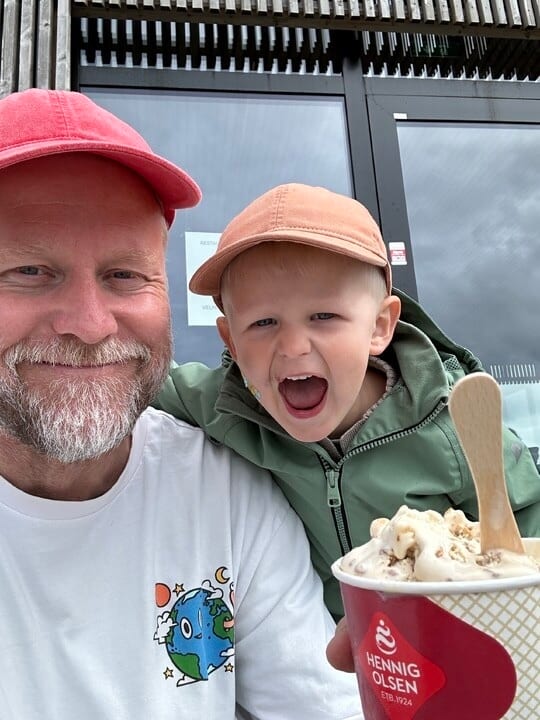
Grønn Fra parkdresser til nye forretningsmodeller
Slik kan sirkularitet se ut i praksis! Et eksempel på hvordan tjenestelogikk og systemtenkning kan skape både miljøeffekt og sosial gevinst.
Kundereferanser










Styrking gjennom influencere
For å skalere Belief's innvirkning ønsker vi å dele vår kompetanse, erfaring og verktøy med personer og virksomheter som har potensial til å øke bevisstheten og kunnskapen om bærekraft blant små- og mellomstore bedrifter (SMB).
Vi ser på regnskapsførere for SMB og lokale banker som viktige samarbeidspartnere i dette arbeidet.
Produktdesign og leverandørkjede
Hvordan produkter designes, produseres og leveres til markeder er i endring. Vi hjelper med å akselerere overgangen ved å utvikle bærekraftige strategier for produktporteføljer, effektive prosesser og styring for å redusere miljøpåvirkningen og forbedre transparensen i hele verdikjeden .
Sentrale tjenester:
- Utvikling og introduksjon av nye produkter
- Bærekraftig Lifecycle Management av produkter
- Sourcing, valg og ledelse av leverandørkjeden
Bygg og infrastruktur har en betydelig påvirkning på klimaet og miljøet, og er avgjørende for samfunnets tilpasning og motstandskraft mot de fysiske konsekvensene av klimaendringene og hvordan vi klarer å skape trygge og gode lokalsamfunn. Vi samarbeider med eiere av bygg og infrastruktur og med andre sentrale interessenter for å akselerere overgangen til en grønnere, mer ressurs-effektiv og sirkulær eiendomssektor. Vi lærer og utvikler oss stadig med mål om å ha størst mulig påvirkning, blant annet gjennom vårt portefølje- og økosystem-perspektiv for å akselerere omstillingen.
Sentrale tjenester:
- Taksonomivurdering
- Porteføljestrategi fra et bærekraftperspektiv
- Vurdering av klimarisiko
Eiendom og infrastruktur
Belief samarbeider tett med investorer og bedriftsledere om å integrere bærekraft i deres strategi og å omsette dette til bærekraft i praksis. Fra et porteføljeperspektiv setter vi mål, guider prioriteringer, samlet ressurser og deler god praksis og effektive løsninger, inkludert implementering av ESG-rapporteringsstandarder.
Sentrale tjenester:
- ESG due diligence
- Integrering av ESG-strategi
- ESG-rapportering
- Vurdering av klimarisiko
Finans
Heading
“På grunnlag av en helhetlig klimareaksjon tilpasses kompromissene proporsjonalt med pengemakten.”
— Benny fra Olsenbanden


(+47) 22 83 82 83
post@beliefgroup.com
Ta kontakt
Besøk
Nedre Slottsgate 5
0157 Oslo, Norway
Kontakt oss
La oss jobbe sammen!
Subscribe to news from Belief
Sign up with your email address to receive news and updates.
We respect your privacy and will not share or use your data for any other purpose.
First Name
Last Name
E-mail address


